


A burst pipe, sewage backup, or major leak can turn a normal day into a fast-moving property and health concern. If you need an emergency plumber in Irvine, start by protecting people, stopping the water when it is safe, and giving the technician clear details. The steps below help you limit damage while qualified help is on the way.
Contact Wish Granted Plumbing for urgent Irvine plumbing help or call (949) 877-7444.
What counts as a plumbing emergency in Irvine?
A plumbing emergency is an active problem that can quickly cause property damage, create a sanitation concern, or leave a home or business without essential water service. Uncontrolled water, wastewater entering living areas, a leak you cannot isolate, and a failing water heater with active discharge all deserve prompt attention.
Call for urgent help when you see or experience:
- Water spraying from a broken supply line, fitting, or exposed pipe
- Water coming through a ceiling, wall, floor, or foundation slab
- A toilet, floor drain, or cleanout backing up with wastewater
- Several fixtures draining slowly or backing up at the same time
- A water heater releasing a steady stream of water
- A leak that continues after a local fixture valve is closed
- Loss of water service connected to a suspected line failure
- A gas odor near a gas water heater or plumbing appliance
A single slow drain may be suitable for a scheduled visit if it is contained and no other fixtures are affected. The risk changes when water is spreading, wastewater is present, or the problem is getting worse. When in doubt, describe the symptoms to the dispatcher instead of attempting a repair that could increase the damage.
What should you do first during a plumbing emergency?
First, move people and pets away from standing water or contaminated areas. Then shut off the closest safe water valve, or the main water supply if necessary. Avoid touching electrical equipment in wet areas, document the damage from a safe location, and call Wish Granted Plumbing with the key facts.
- Protect people first. Keep children and pets away from the affected space. If sewage is present, avoid contact and close the door if possible.
- Stop the water if the valve is accessible. Close the fixture valve for an isolated toilet, sink, or appliance leak. If water is still flowing, close the main household shutoff.
- Stay clear of electrical hazards. Do not enter standing water to reach an outlet, appliance, panel, or electrical device. If water is near electrical equipment, wait for a qualified professional or emergency responder to make the area safe.
- Contain only what you can reach safely. Use a bucket under a small, accessible leak and move loose belongings away from water. Do not pull apart pressurized piping.
- Call for help early. Waiting to see whether an active leak stops can allow water to spread inside walls, flooring, cabinets, and ceilings.
Take a few photos or a short video if you can do so without entering a dangerous area. This gives the plumber useful context and can help you document the starting condition for your own records. Do not delay the call while trying to create a complete inventory.
How do you shut off your home's water safely?
For most home plumbing leaks, turn the fixture valve clockwise or move a lever valve until it is perpendicular to the pipe. If that does not stop the flow, use the main shutoff valve where the water service enters the home. Open a faucet briefly afterward to relieve pressure, but never force a stuck valve.
Common shutoff locations include:
- Under a sink or behind a toilet for a fixture-specific leak
- Behind or beside a washing machine for a washer supply problem
- Near the water heater for a tank or connection leak
- In a garage, utility area, crawl space, or exterior wall near the water entry point
- At or near the water meter for some properties, subject to local utility rules
Homes differ by construction and plumbing layout, so the main valve may have a round wheel handle or a quarter-turn lever. The regional water utility guidance from WSSC Water explains how these valve types operate and why homeowners should know the location before a crisis. Do not use a street-side utility valve if you are unsure whether it belongs to the property or requires utility assistance.
If your home has a fire sprinkler system, do not guess which valve controls household plumbing. A wrong shutoff can affect the sprinkler system. Tell the plumber or dispatcher what type of property you have and where the water is coming from.
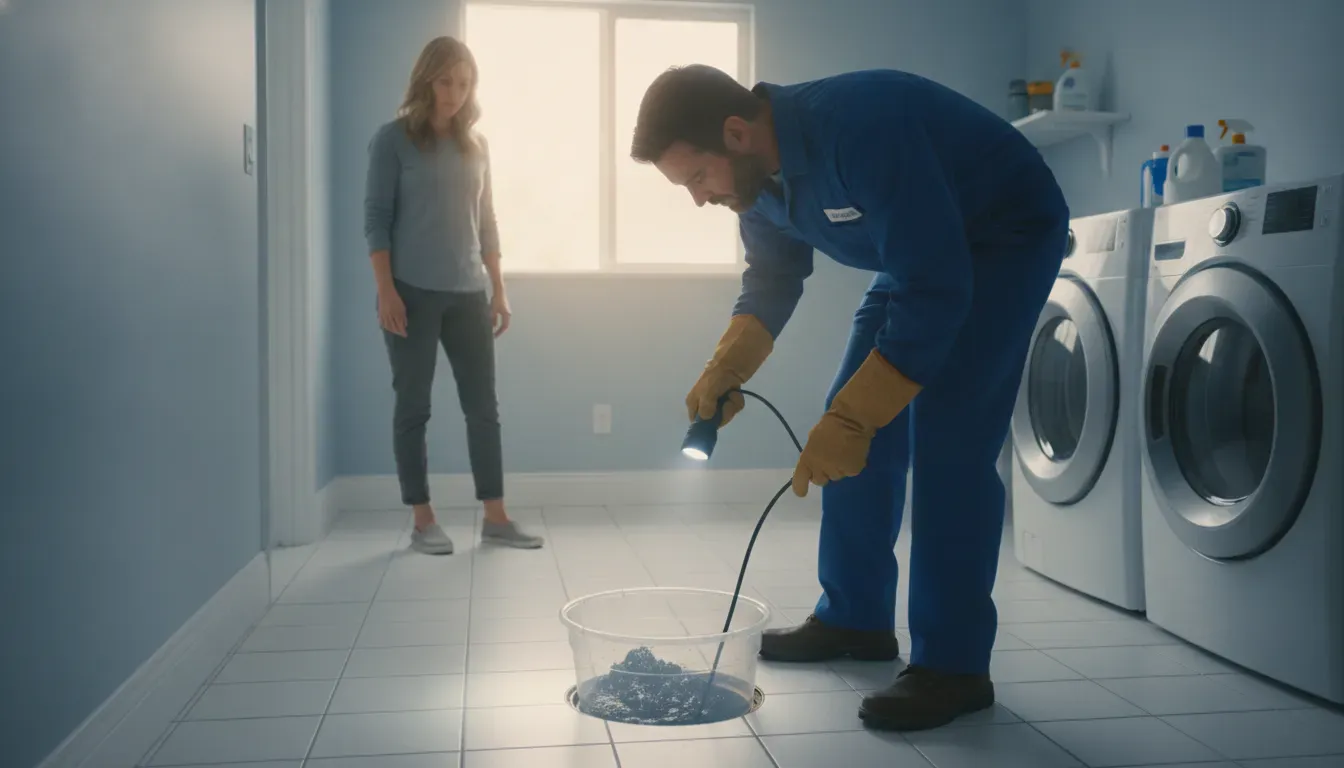
How should you respond to specific serious plumbing problems?
The safest response depends on whether the emergency involves clean supply water, wastewater, a hidden leak, or a water-heating system. Stop the source when you can, isolate the area, and do not use affected fixtures until the cause is identified. Use the following guide to avoid common mistakes while waiting.
Burst pipes and uncontrolled water
Close the nearest fixture valve first, then the main shutoff if water continues. Open a nearby cold-water faucet for a moment only if it is dry and accessible, and place a container under a manageable drip. Do not wrap a burst pipe and assume the problem is solved. Pressure can move water into cabinets, walls, ceilings, and flooring even after the visible spray slows.
Sewage backups
Stop using toilets, sinks, showers, washing machines, and other fixtures connected to the affected drain line. Keep people and pets away from wastewater, and do not mix household chemicals in an attempt to disinfect it. Sewage can carry contaminants, so avoid direct contact and arrange professional assessment and cleanup. The CDC's flooded-home safety guidance explains why sewage and flood contamination require health precautions.
If the backup is limited to one fixture, close that fixture and note what happened. If multiple fixtures back up together, wastewater rises from a floor drain, or flushing makes the problem worse, report those details immediately. They can point the plumber toward a main drain or sewer-line issue rather than an isolated clog.
Major leaks behind walls or under floors
Close the main water valve if the leak source is hidden or the affected area is expanding. Do not cut into drywall, pull up flooring, or operate tools near wet surfaces to search for the leak. Move furniture only if it can be done without walking through unsafe water. Note where staining, bubbling, dripping, or warm spots appeared so the technician can focus the inspection.
Water heater failures
A small amount of condensation is different from a tank releasing water onto the floor. If the water heater is actively leaking, close its cold-water supply valve when it is safely accessible and call for service. Do not drain a hot tank or manipulate gas connections yourself. If you smell gas, leave the area, avoid switches or flames, and contact the gas utility or emergency services from a safe location.
What information should you have ready before the plumber arrives?
Give the dispatcher the property address, the best callback number, the type and location of the problem, and whether water or wastewater is still moving. Also mention the shutoff status, affected rooms, access instructions, and any safety concern. Clear information helps Wish Granted Plumbing prepare for the right emergency response.
Have these details ready:
| Information | What to describe |
|---|---|
| Property | Irvine address, home or business type, unit number, gate code, and parking or access notes |
| Problem | Burst pipe, sewage backup, major leak, water heater issue, or another symptom |
| Location | Room, ceiling, wall, cabinet, floor drain, exterior area, or equipment involved |
| Timing | When it started and whether it is getting faster, spreading, or returning |
| Water status | Which valve was closed, whether water stopped, and whether other fixtures are affected |
| Safety | Standing water, sewage exposure, gas odor, vulnerable occupants, or restricted access |
For a commercial property, HOA, or rental, identify the person authorized to approve access and explain any building-management procedure. If a tenant is on site, say so when you call. Keep photos, visible damage, and any failed fixture parts available for the technician, but do not disturb contaminated materials or open a wall to investigate.
What should you expect from an emergency plumber in Irvine?
A qualified emergency plumber should begin by confirming the immediate risk, isolating the water or drain problem, and explaining what the inspection found. Wish Granted Plumbing provides 24/7 emergency plumbing availability and serves Irvine and surrounding Orange County communities. Ask what can be made safe immediately, what repair is recommended, and what requires follow-up.
During the visit, expect the technician to:
- Confirm the reported symptoms and inspect the accessible plumbing
- Identify or narrow down the source of the leak, backup, or failure
- Recommend a way to contain the active problem
- Explain repair options in plain language before work begins
- Identify related damage or conditions that need monitoring
- Tell you what fixtures or areas should remain out of service
A service professional may need additional inspection for a hidden leak, sewer line, or damaged section beneath a finished surface. Do not assume a dry floor means the full problem is resolved. Water can remain inside building materials, and a recurring backup can signal a larger drain or sewer concern. Wish Granted Plumbing's drain and sewer services page provides more context on drain and sewer work, while the plumbing services page covers broader repair needs.
How can you reduce the risk of another plumbing emergency?
Prevention starts with knowing where shutoff valves are located, checking exposed connections, and responding to small warning signs before they become active failures. Have a qualified plumber evaluate recurring clogs, low pressure, stains, or water-heater changes. A simple written emergency plan can save time when the next problem happens.
- Label the main water shutoff and test that it moves before an emergency
- Check under sinks, behind toilets, and around the water heater for moisture
- Do not pour grease, wipes, or unsuitable materials into drains
- Take recurring clogs and gurgling fixtures seriously
- Keep towels, a bucket, a flashlight, and contact information accessible
- Give household members, tenants, or staff a short shutoff walkthrough
For water heater concerns, Wish Granted Plumbing's water heater services page describes common repair and installation needs. For a current emergency, however, prevention can wait. Protect people, isolate the water when safe, and call for qualified help.
Contact Wish Granted Plumbing for urgent Irvine plumbing help or call (949) 877-7444.
Frequently Asked Questions About Emergency Plumbing in Irvine
What qualifies as a plumbing emergency?
Uncontrolled water, sewage entering the home, a leak you cannot isolate, an actively leaking water heater, or a gas odor near a plumbing appliance can require immediate attention. A problem is especially urgent when it threatens people, property, sanitation, or essential water service.
Should I turn off the main water supply for a leak?
Turn off the closest fixture valve when it is accessible and stops the leak. If water continues, the source is hidden, or several fixtures are affected, close the main household shutoff if you can reach it safely. Never enter standing water to operate a valve near electrical equipment.
What should I do during a sewage backup?
Stop using connected fixtures, keep people and pets away from wastewater, and avoid direct contact or chemical mixing. Note which fixtures are affected and call an emergency plumber. A backup affecting multiple fixtures may involve a main drain or sewer line.
What should I tell an emergency plumber in Irvine?
Share the address, callback number, problem type, exact location, start time, whether water is still moving, which valves were closed, affected fixtures, and any standing water, sewage, gas odor, or access concern. These details help the technician prepare for the visit.
Can I wait until morning for a plumbing leak?
Wait only when the issue is fully contained, no water or wastewater is spreading, and essential services are unaffected. An active or recurring leak can cause hidden damage even when the visible flow seems small. Describe the situation to a professional before deciding to delay service.