An overflowing fixture and a leaking supply pipe call for different first steps. Wish Granted Plumbing helps Costa Mesa households sort out where the water is coming from and what plumbing needs attention first.
Fresh water continuing from a tap or pipe points toward a supply shutoff. Wastewater rising from a toilet, tub, or floor drain calls for stopping use of connected fixtures. Note whether more than one room is affected before requesting service.
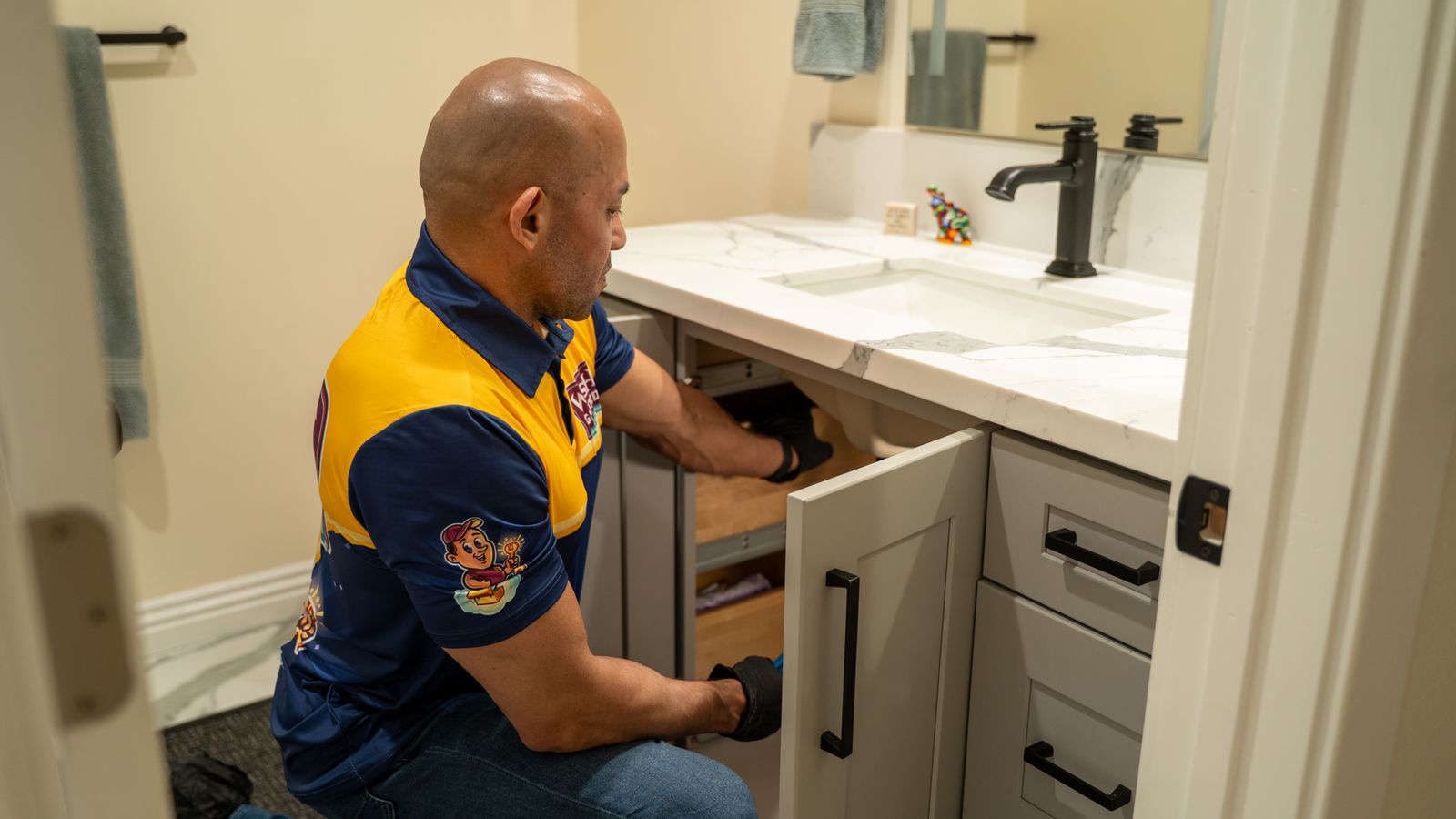
A plumber can check the fixture, valve, pipe, and nearby drain path instead of guessing from the puddle alone. Once the source is found, ask what can be repaired now, what needs a separate visit, and how to reduce the chance of repeat damage.
Tell the team if a ceiling drip appears after an upstairs fixture runs, if hot water disappears along with a heater leak, or if more than one drain starts returning water. These clues change where an inspection should begin. An isolated toilet overflow may be a fixture or branch issue; wastewater rising in a tub while another fixture empties can point to a shared drain. Until the cause is known, avoid repeated flushes or test runs that add water to the problem.
In a Costa Mesa home, note where the water first appeared, what was in use at the time, and whether closing a reachable valve changed it. A photo can be useful if taken from a dry, safe place. Clear ordinary access to the fixture or shutoff, but do not remove a wall panel or touch equipment in a wet area. The plumber can check the likely source and explain whether the immediate repair restores service or whether a separate inspection is still needed.
Ask what evidence identifies the failing part, whether the repair requires shutting off more than one fixture, and how the result will be checked. If water reached a wall or floor, ask what drying or surface work falls outside plumbing repair. A clear split between stopping the leak and restoring damaged materials helps you plan the next steps.
That depends on whether the fixtures share the blocked drain. Pause use of nearby fixtures and describe the pattern to the plumber before adding more water.
Tell the team when the problem started, which fixtures are affected, whether water is still moving, and any valve you have already closed.