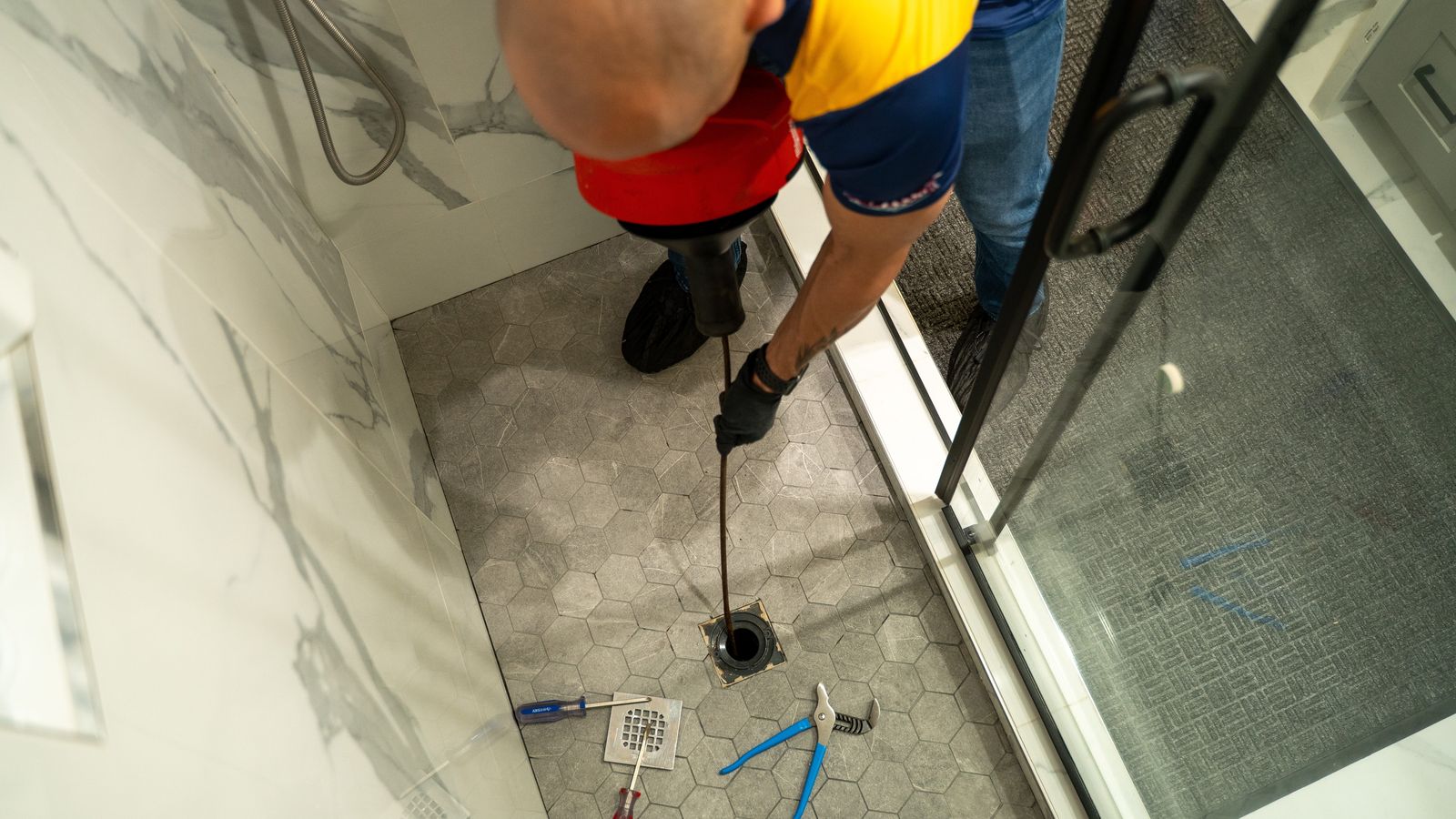
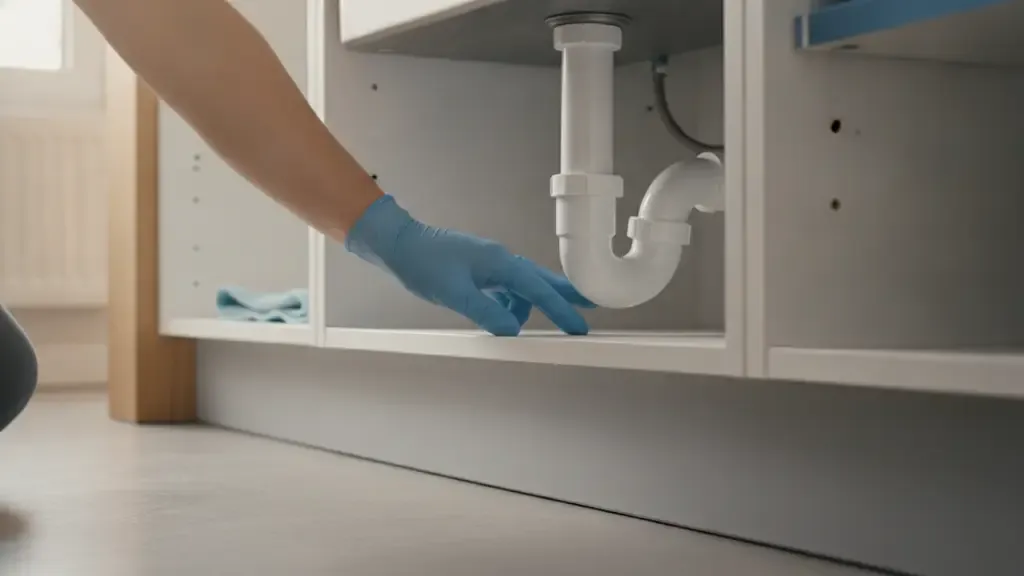
A slow drain can be a fixture problem or a sign of a blockage farther down the line. Wish Granted Plumbing helps Costa Mesa property owners locate the restriction and choose a cleaning method that fits the pipe and the problem.
One slow sink may point to a local trap or branch line. Several fixtures backing up together call for a closer look at the shared drain. Gurgling, recurring odors, and repeat clogs are reasons to describe the pattern when you book service.
The first step is to identify which fixtures are affected and where the water stops moving. Depending on the finding, the technician can discuss mechanical clearing, a camera inspection, or a more thorough line cleaning. The goal is to address the cause rather than repeatedly treating the same symptom.
A kitchen drain may slow after heavy use, but a tub or laundry line reacting at the same time suggests a wider path should be considered. For a Costa Mesa call, list the fixtures involved and the order in which symptoms appeared. Note whether water rises in a lower drain, whether plunging gives only temporary relief, and whether odors remain after the fixture empties. These details help avoid choosing a cleaning method based on one visible sink.
Have the technician explain which accessible point will be used, what section of pipe is likely restricted, and whether the line needs clearing or further inspection. A camera can be useful when a blockage returns or the pipe condition is uncertain; it is not automatically needed for every isolated clog. If a prior cleaning failed quickly, share what was done and how long normal flow lasted so the next step addresses that history.
After cleaning, confirm that the original slow drain empties and that connected fixtures no longer trigger a backup. Ask what material was removed if it can be identified and what behavior could cause another stoppage. A realistic maintenance recommendation should fit the inspected line, not promise that every future clog is preventable.
If the drain is badly blocked or repeatedly clogging, ask a plumber before adding chemicals. Tell the technician about anything already poured into the drain so they can work safely and choose an appropriate method.
A camera may help when multiple fixtures are affected, the blockage returns, or the likely problem is in a line that cannot be inspected directly. The technician can explain whether it is useful after assessing the symptoms.