When a toilet and tub react to kitchen or laundry use, the sewer path serving multiple fixtures may be restricted. Wish Granted Plumbing helps Anaheim customers locate the affected section and understand repair options.
Describe the order in which drains slow or overflow. Stop using connected fixtures once wastewater returns. The pattern helps a plumber distinguish a local branch problem from a main-line restriction before selecting an access point.
A camera inspection may show a removable clog, a damaged joint, or a longer compromised section. Ask what the images show, whether the line can be cleared safely, and what repair scope is justified by the finding.
If an Anaheim toilet or tub changes when kitchen or laundry water drains, those fixtures may share a restricted downstream line. Note the order, not just the room with the overflow. A backup in one fixture alone may still be local, so report which drains continue to work. Stop using connected plumbing when wastewater rises; more water can make the assessment harder and increase the mess.
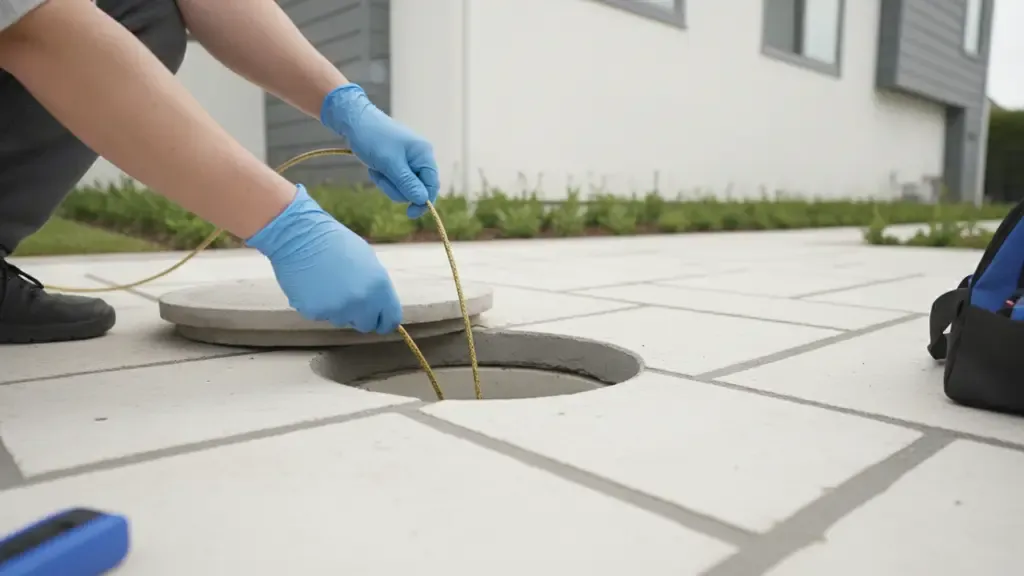
Accessible cleanouts can help the plumber clear or inspect the likely sewer section. A camera can then show a blockage, root entry, displaced joint, or damaged pipe if visibility permits. Ask which finding explains the symptom and how precisely the location is known. A line that only needs clearing should not be described as a confirmed repair job, while recurring damage deserves a plan for the affected section.
Before a proposed repair, review where the pipe would be opened, which fixtures would be out of service, and whether restoration is included. After work, ask how the line was checked and what evidence documents the repaired segment. Keep the symptom notes and inspection record to compare with any later drainage problem.
No. It is most useful when the cause is uncertain, backups recur, or repair decisions depend on pipe condition.
Avoid assuming the line is fixed. A partial blockage can let water slowly drain while remaining in place.