A sewer line problem can show up as repeat backups, slow drains in several rooms, or wastewater where it does not belong. Wish Granted Plumbing helps Rossmoor property owners move from symptoms to a documented diagnosis before choosing a repair.
Grease, debris, roots, and damaged pipe can cause similar symptoms. Clearing a blockage may restore flow, but repeated trouble can justify a camera inspection to look for breaks, offsets, or other defects. The finding should guide the repair recommendation.
Once the problem location and pipe condition are understood, ask about the repair area, access, expected disruption, and any restoration needed. A focused plan is easier to compare with a full replacement recommendation. The technician can explain which option fits the inspected line.
For a Rossmoor sewer concern, record whether a toilet, shower, laundry drain, or outdoor cleanout reacted first. A single slow sink may be local; wastewater returning through a lower fixture after another drains suggests a shared path. Stop using connected plumbing once sewage appears. Tell the technician about previous clearing and how long flow stayed normal, because a quick recurrence can change the value of a camera inspection.
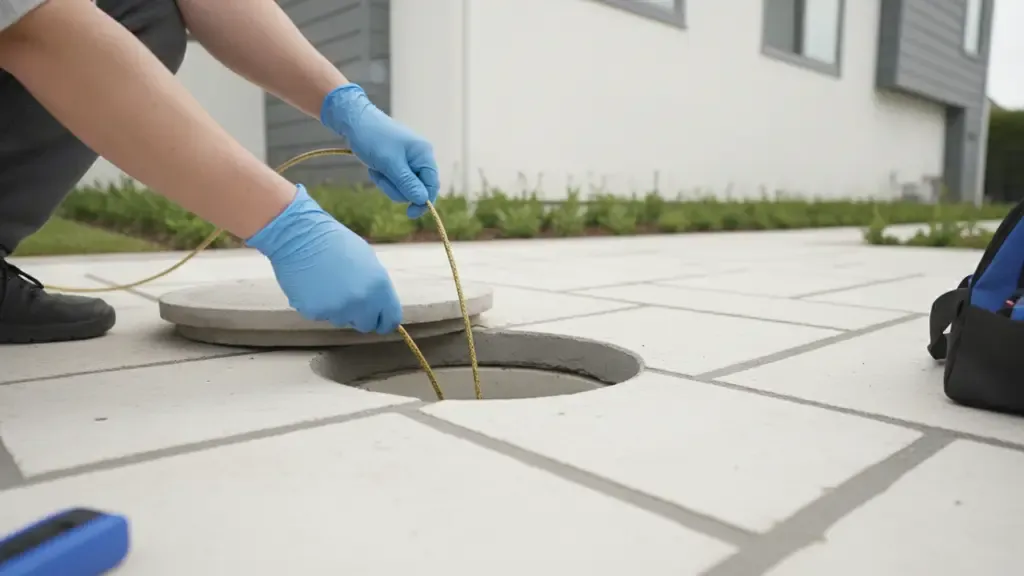
A camera can show pipe condition when the line is accessible and the view is clear enough. Ask the plumber to identify the location and extent of any roots, offset, break, or collapsed section. If the picture shows only a removable obstruction, ask whether repair is needed at all. If a defect is confirmed, compare the proposed repair area with the observed damage rather than assuming the entire line must be replaced.
Ask which fixtures need to stay off during work, how flow will be checked afterward, and whether surface or ground restoration is part of the quote. Save the camera findings and repair details. If a backup returns, those records help determine whether it is at the repaired section or a different part of the drainage system.
No. Some backups come from a blockage that can be cleared. A camera inspection and the line's condition help determine whether cleaning, a local repair, or broader replacement is appropriate.
Note which drains back up, whether the issue follows heavy water use, and any earlier cleaning or repair. Avoid using affected fixtures until the backup is assessed.