


A slow sink or shower drain is easy to dismiss until it stops completely. If you are looking for drain cleaning in Irvine, the most useful first question is not just how to make water disappear. It is whether the blockage is limited to one fixture or is an early sign of a larger drain or sewer problem. This guide explains safe first steps, recurring-clog warning signs, and when a professional cleaning or inspection is the better next move.
Contact Wish Granted Plumbing to discuss drain cleaning in Irvine.
What causes slow or clogged drains in Irvine?
Drain blockages usually build when material collects inside a trap, branch line, or larger drain. The exact cause depends on the fixture, what enters the plumbing, the condition of the pipe, and how far the restriction is from the opening. A kitchen sink and a main sewer line can produce similar symptoms at first, but they need different responses.
Grease and food residue
Kitchen sinks commonly collect oil, fats, grease, and small food particles. Grease can move as a liquid when it is hot, then cling to the pipe as it cools. That sticky layer narrows the passage and gives additional debris something to catch. A sink may drain normally one day and become progressively slower over the next several weeks.
Do not rely on hot water to carry a large amount of grease away. Scrape oily residue into the trash or an appropriate container, wipe greasy cookware before washing it, and use a sink strainer to catch food particles.
Hair, soap residue, and mineral buildup
Bathroom drains often slow when hair combines with soap, shampoo, conditioner, and body oils. The material may gather at the stopper or inside the trap before it moves farther into the line. Mineral deposits can also reduce the usable opening in a pipe, making it easier for ordinary debris to stick.
Removing visible hair from a stopper or drain screen can help with a minor, localized problem. It will not correct a restriction deeper in the line or a pipe that is damaged, misaligned, or affected by roots.
Foreign objects and unsuitable waste
Small objects, excessive paper products, wipes, and other unsuitable material can create a sudden stoppage. If an item falls into a drain, avoid pushing it farther into the pipe with repeated plunging. A professional can help determine whether the object is accessible and whether the line has been affected beyond the fixture.
Roots or a damaged sewer line
Tree roots can enter a sewer line through a joint or crack and grow around the source of moisture. A low section, collapsed section, corrosion, or misalignment can also allow debris to settle and produce repeated blockages. These problems are not solved permanently by clearing only the symptom at the nearest drain.
What should you check before calling for drain cleaning?
Start by identifying the pattern. Check whether one fixture is affected, whether the water drains slowly or not at all, and whether other fixtures make unusual sounds or back up. This information helps a plumber decide whether to begin at a trap, branch line, cleanout, or sewer connection.
- One fixture is slow: The restriction may be near that sink, tub, shower, or toilet.
- Several nearby fixtures are slow: The blockage may be farther down a shared branch line.
- Several fixtures across the home are affected: The main drain or sewer line deserves attention.
- Water backs up in a lower fixture: Stop using connected plumbing and arrange an assessment.
- The problem returns quickly: A temporary opening may have left the underlying buildup or damage in place.
Look for gurgling toilets, bubbling drains, foul sewer odors, damp areas, or water rising from a floor drain. None of these symptoms identifies the exact cause by itself. Together, however, they are useful evidence that the problem may extend beyond a simple sink clog.
Which DIY drain-cleaning steps are reasonable?
For a small, localized clog with no sewage backup, begin with the least aggressive approach. Stop if the drain does not respond, if water moves into another fixture, or if you are unsure what is inside the line.
Use a strainer and remove accessible debris
Take out the stopper or drain screen only if it can be removed safely. Clear visible hair and residue into the trash rather than washing it into another drain. Replace the screen and test the fixture with a modest amount of water. If the drain remains slow, the restriction may be below the visible opening.
Try a properly sealed plunger
A plunger can help with some localized stoppages when it forms a tight seal. Add enough water to cover the cup, cover an overflow opening with a damp cloth when appropriate, and use controlled strokes. Do not plunge aggressively when another fixture is backing up or when sewage is present.
Be careful with a hand-operated snake
A hand snake can reach beyond the drain opening, but forcing it can damage a weakened pipe or push an object farther away. Feed the cable gradually, turn it gently, and stop when resistance feels unusual. Pull it back slowly and test the drain. If the clog returns, the cable may have opened only a small channel through the material.
Why chemical drain cleaners are not a universal solution
Chemical cleaners do not identify the location or cause of a blockage. They may fail against hair masses, foreign objects, roots, structural damage, or heavy buildup. They can also create a hazard for anyone who later opens the trap or uses mechanical equipment. Never mix drain chemicals, and tell a plumber if a chemical product has already been used.
DIY steps are best treated as limited first aid for a minor, isolated symptom. If the drain is recurring, widespread, or connected to wastewater, professional drain cleaning service is a safer path to identifying what is actually happening.
When does a recurring clog need professional attention?
A clog deserves professional evaluation when it returns after clearing, affects more than one fixture, or is accompanied by backup, odors, or gurgling. A recurring problem can mean that the opening is temporary, the line has substantial buildup, or the pipe itself needs repair.
Call for an assessment when:
- A sink, shower, or tub repeatedly slows down after being cleared
- Two or more fixtures back up at the same time
- A toilet gurgles when a sink, washer, or shower drains
- Water rises from a floor drain or another low fixture
- You notice a persistent sewage smell near a drain or cleanout
- A blockage follows heavy rain or appears near an outdoor sewer access point
- You suspect roots, a broken line, a low spot, or a collapsed pipe
- A plunger or hand snake does not restore normal drainage
Limit water use when several fixtures are affected. Continuing to run a washing machine, take a shower, or flush repeatedly can send more water toward a restricted section and turn a slow drain into an indoor backup.
Call Wish Granted Plumbing at (949) 877-7444 for drain-cleaning help in Irvine.
How does a professional drain cleaning visit work?
A professional visit should begin with questions about the symptoms and a visual inspection of accessible fixtures, cleanouts, and affected areas. The technician should identify the likely location of the restriction, explain the recommended method, and distinguish a cleaning problem from a repair or inspection problem.
Cleaning a localized blockage
For a blockage near one fixture, a technician may use appropriate mechanical equipment to clear the trap or branch line. The goal is to restore flow without applying more force than the pipe can safely handle. The method should account for the pipe's age, material, access, and condition.
Cleaning a larger line
When the restriction is deeper or involves heavy grease, roots, mineral deposits, or debris, the technician may recommend equipment suited to the main line. Hydro jetting uses high-pressure water to clean buildup from the inside of a pipe, but it is not appropriate for every pipe or every condition. A professional should determine whether the line can safely receive that treatment. Learn more about hydro jetting and drain-line cleaning before choosing a method.
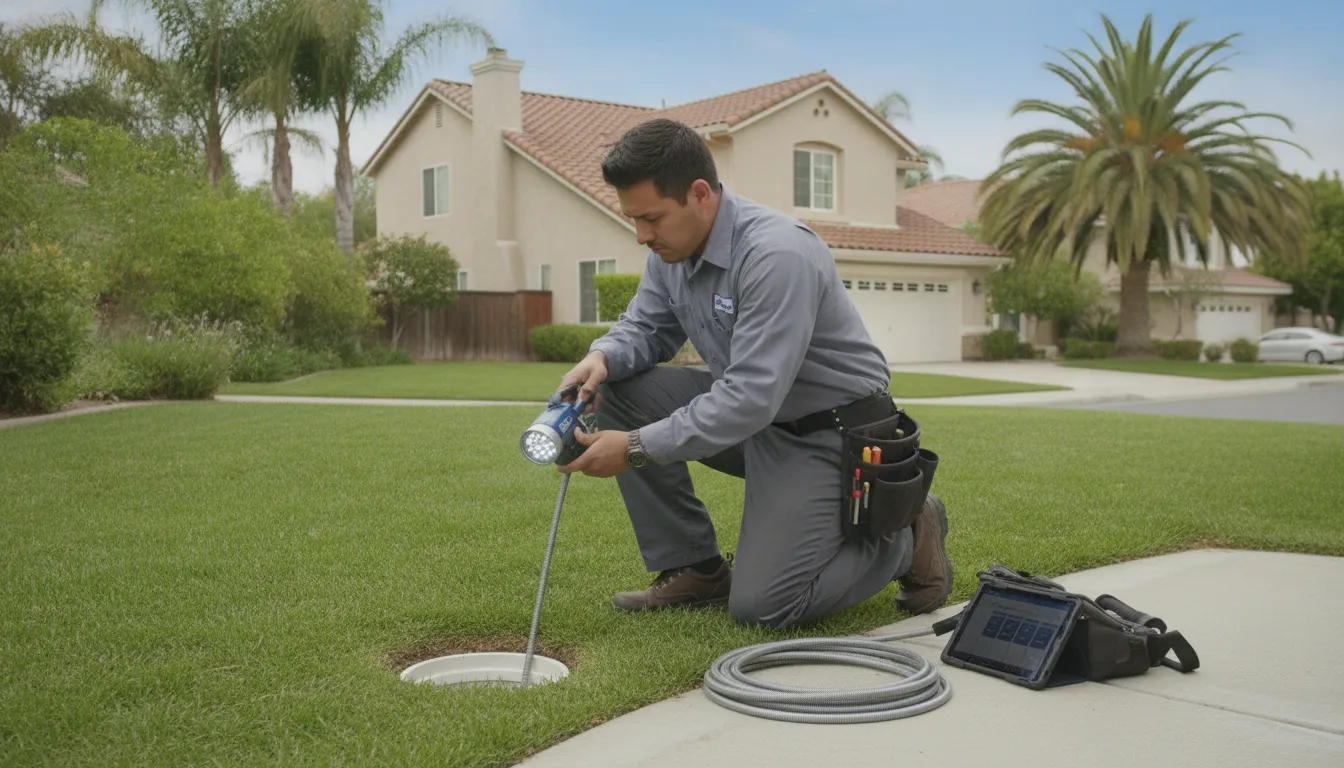
Checking the line after cleaning
When symptoms point to a main drain or sewer problem, clearing the blockage may not be enough. A camera can help show whether roots, cracks, a low section, a collapse, or remaining debris is still present. The sewer camera inspection service page provides more context on visual line diagnosis. The right next step may be another cleaning, a repair, or a more detailed sewer assessment.
A trustworthy recommendation should connect the proposed method to the observed problem. Ask what was found, where it was found, what was done to restore flow, and what signs would mean the line needs additional work.
Is professional drain cleaning worth it?
Professional drain cleaning is most valuable when the problem is recurring, difficult to reach, widespread, or connected to possible pipe damage. It can save time by separating a simple localized clog from a deeper obstruction before repeated home remedies make the situation harder to assess.
It is also useful when you need a clear plan for a rental, HOA, commercial property, or home sale. A property manager or authorized representative can give the technician the access instructions, fixture history, and previous service records. Ask for the findings in plain language and keep any camera footage or written recommendations with the property's maintenance records when available.
Professional service does not mean every slow drain requires extensive work. A good evaluation may confirm that the issue is minor and explain what to monitor. The value is in matching the response to the location and condition of the line rather than guessing.
How can Irvine homeowners prevent future drain clogs?
Prevention cannot correct a damaged sewer line, but it can reduce the everyday buildup that starts many fixture clogs. Use simple habits consistently and treat a change in drainage speed as information, not something to hide with repeated chemical treatments.
- Use screens and strainers. Place them over kitchen sinks, bathroom sinks, showers, and tubs. Empty collected debris into the trash.
- Keep grease and oil out of drains. Wipe cookware before washing it and dispose of cooled grease according to local guidance.
- Flush only appropriate waste. Keep wipes, cotton products, paper towels, and other non-flushable items out of toilets.
- Clean stoppers regularly. Remove hair and residue before it travels farther into the trap or branch line.
- Do not use hot water as a cure. It may help move light residue, but it will not remove roots, objects, a deep blockage, or structural damage.
- Track recurring symptoms. Note the fixture, timing, sounds, odors, and whether another drain reacts at the same time.
- Address slow drainage early. Early evaluation can be less disruptive than waiting for wastewater to back up into a living area.
For broader maintenance and repair needs, review Wish Granted Plumbing's drain and sewer services information. The page is a general service resource, so confirm the property details and symptoms when you contact the team about Irvine service.
Frequently Asked Questions About Drain Cleaning in Irvine
How much does drain cleaning cost?
The cost depends on the location and severity of the blockage, the access point, the cleaning method, and whether inspection or repair is needed. A localized fixture clog is different from a recurring main-line obstruction. Ask for the recommended scope and any diagnostic charges before work begins.
How do I know whether a clog is in the sewer line?
Several slow or backing-up fixtures, repeated toilet gurgling, water rising from a floor drain, foul sewer odors, or a clog that returns quickly can point to a main drain or sewer-line issue. These symptoms do not prove the cause, so a professional may need to inspect the line with a camera.
Should I use a chemical drain cleaner?
A chemical cleaner is not a dependable answer for a deep or recurring blockage, roots, a foreign object, or pipe damage. Never mix products. If a cleaner has already been used, tell the plumber so the visit can be planned safely.
Can hydro jetting damage a drain pipe?
Hydro jetting should be matched to the pipe's material and condition. High-pressure water may not be appropriate for a weakened or damaged line. A qualified technician can decide whether hydro jetting, mechanical cleaning, camera inspection, or another method is safer.
When should I stop trying to clear a drain myself?
Stop when the clog returns, affects multiple fixtures, produces sewage backup or odors, resists reasonable first steps, or requires force. Limit water use and arrange professional assessment rather than continuing with repeated plunging, snaking, or chemical treatments.
Contact Wish Granted Plumbing for professional drain cleaning in Irvine or call (949) 877-7444.