


Adding a gas appliance can make a kitchen remodel, outdoor living upgrade, or home comfort project far more useful. It also means the fuel supply must be sized, installed, and tested for the appliance and the home, not simply extended from the nearest pipe.
Request a gas line installation consultation with Wish Granted Plumbing in Orange County to get a clear plan and an honest, no-pressure estimate for your project.
Gas line installation typically includes planning the route, sizing the piping for the appliance's BTU demand, securing required permits, completing the connections, and pressure-testing the system before inspection. Because gas work carries serious safety risks, homeowners should use a licensed professional rather than attempt anything beyond a simple appliance connection.
Costs vary with the pipe length, access, materials, appliance, and local inspection requirements. Understanding what happens during the work makes it easier to compare estimates and recognize a properly completed installation, starting with the components and steps involved.
Gas Line Installation Explained: What It Involves
Gas line installation is the process of designing, routing, connecting, and testing a gas piping system so an appliance can receive fuel safely. It may be part of a kitchen remodel, a new appliance installation, or an upgrade for an outdoor cooking area. The work is more involved than attaching a connector behind a range. Pipe sizing, routing, shut-off access, ventilation, permits, and testing all affect whether the finished system is safe and code-compliant.
Choosing and routing the piping
A plumber may use black steel pipe, flexible corrugated stainless steel tubing (CSST), or a combination of approved materials, depending on the home's layout, local requirements, and the appliance being served. Black steel is rigid and durable, but it must be measured, cut, threaded, and supported correctly. CSST can make certain routes more practical because it bends around obstacles, but it still requires approved fittings, proper support, and installation according to the manufacturer's instructions.
The route must connect the gas source to the appliance without creating avoidable hazards. A professional evaluates the total pipe length, the number of fittings, and the BTU demand of the connected appliances. When gas piping is added or replaced, the plan should verify that the pipe size is appropriate for the appliance input and the length of the run. This planning step helps prevent low gas pressure, poor appliance performance, and unsafe improvisations. Local gas-piping guidance commonly ties sizing review to these factors.
Making the appliance connection
After the main run is installed, the plumber adds the required shut-off valve and connects the appliance with an approved connector rated for its BTU demand. The valve should remain accessible so the gas supply can be stopped without moving the appliance or opening a wall. Local codes commonly require the shut-off valve to be within 6 feet of the appliance, though the exact requirement depends on the jurisdiction and installation type.
For a new line, the connection may begin at an existing manifold or another approved point in the home's gas system. If the project involves an existing line, the plumber first checks its condition and capacity rather than assuming it can support another appliance. Work that involves a damaged or leaking pipe may require professional gas line repair before a new connection is made.
Testing before the system is used
Testing is a required safety step, not an optional finishing touch. The completed piping is pressure-tested to confirm that connections hold and the system has no leaks before final inspection or appliance use. For example, one residential gas handout specifies a 10 psi air test on the entire system using a 15 psi gauge. The applicable test method and inspection process are determined by local code and the permitting authority.
Because gas work affects the safety of everyone in the home, installation should be completed by a licensed professional who understands local requirements. A qualified plumber can coordinate the connection, testing, and inspection while leaving you with a system that is ready for safe appliance operation.
When Do You Need a New Gas Line?
A new gas line is often part of a home improvement project, not a response to an obvious failure. If you are changing the location, type, or number of gas appliances, the existing piping may no longer be sized or routed for the job. A licensed plumber can evaluate the current system, confirm the available capacity, and determine whether a new branch line or a larger run is needed.
Kitchen remodels and new cooking appliances
Kitchen renovations commonly create a need for new gas piping. Moving a range to a different wall, converting from electric cooking to gas, or adding a gas cooktop can require the line to be extended or relocated. The appliance's BTU demand, the length of the run, and the demands of other appliances all affect the appropriate pipe size. A plan review may be needed when gas piping is added or replaced, so the sizing can be checked against current requirements.
Replacing an appliance in the same location is not always a simple like-for-like connection. The new range may have a different BTU rating or require a new connector. An approved flexible gas connector should be new and rated for the appliance's specific BTU demand. Do not assume an older connector can safely be reused.
Adding or replacing major gas appliances
Homeowners may need a new line when installing a gas dryer, water heater, furnace, or other gas appliance where none existed before. The same applies when a replacement appliance is moved to another room, garage, or utility area. Water heaters and furnaces generally require a permit when they are replaced or relocated, and many Orange County homeowners pair a new appliance with professional water heater installation services, and the work must comply with current codes. Permit requirements can vary by jurisdiction, so confirm the local process before work begins.
In many Orange County homes, aging piping deserves particular attention during an appliance upgrade. Older systems may have deteriorated fittings, outdated connections, or limited capacity. An inspection can identify those conditions before a new appliance is connected. Pairing new gas piping with a water heater replacement is common, so many homeowners also review how a safe water heater installation is completed. If the evaluation finds damage or an active leak, arrange professional gas line repair before proceeding with installation.
Outdoor kitchens, grills, heaters, and new living spaces
An outdoor kitchen, built-in grill, patio heater, or fire feature may require a dedicated branch line from the home's gas supply. Because outdoor projects can involve trenching, the route and utility locations should be planned before digging. Utility lines must be identified and marked first, with gas lines commonly marked in yellow. A new room, detached structure, or ADU can create the same need when the existing system must be extended to serve another part of the property.
Whenever you change an appliance's fuel source, relocate equipment, or extend gas service, have the system assessed before construction is finalized. Proper plumbing services in Huntington Beach can help coordinate sizing, connections, permits, testing, and inspection rather than leaving those details to the end of the remodel.
How Much Does Gas Line Installation Cost?
Gas line installation is priced as a project, not a standard product with one fixed rate. In Orange County, the total can fall toward the lower end of the local market for a short, accessible connection, or rise substantially when the line must travel farther, pass through finished surfaces, or serve several appliances. An accurate quote requires an assessment of the property, the proposed appliance, and the route the piping will take.
Length and layout of the gas line
The distance between the existing gas supply and the new appliance is one of the clearest cost drivers. A short run to a nearby range may require less material and labor than a line routed across a home to reach an outdoor kitchen, patio heater, detached structure, or relocated water heater. Branch runs also affect the scope. Connecting one appliance is different from sizing and installing a system that serves multiple appliances at once.
Pipe material and appliance demand
Material selection can change both material costs and installation time. Black steel pipe is durable and widely used, but it typically requires careful measurement, threaded fittings, and a route that allows the installer to assemble and support it properly. CSST, or corrugated stainless steel tubing, can be useful in certain permitted applications because its flexibility may simplify routing around obstacles. The correct choice depends on local requirements, the building layout, and the appliance load. Pipe sizing must account for the BTU demand and the total length of the run, rather than the appliance name alone. A local permit handout notes that adding gas piping requires verifying the piping size for the current code and planned system. For tankless units, which add either a water heater or a fresh hot-water supply, the same sizing and connection rules apply as covered in our tankless water heater guide.
Access, surfaces, and restoration
Accessible unfinished areas generally take less time to work in than finished rooms. Drywall may need to be opened and repaired. A line passing through or beneath a slab can involve more specialized planning and labor. Outdoor work may require trenching, utility locating, protection of landscaping, and careful coordination around existing lines. Before digging, underground utilities must be identified and marked to help prevent a rupture; gas lines are commonly marked in yellow with paint, flags, or stakes.
Permits, inspections, and the final connection
Permit fees and inspection requirements are part of the project budget, not optional extras. Gas appliance installations, replacements, or relocations commonly require permits, including work involving water heaters and furnaces. The finished system may also need a pressure test before final inspection. The final connection requires an approved connector rated for the appliance's BTU demand, along with properly placed shut-off equipment.
Because labor rates, access conditions, materials, permitting, and the number of branch runs vary from home to home. A market range should be treated as planning guidance rather than a quote. Wish Granted Plumbing can assess the route and appliance requirements, explain the work involved, and provide an exact recommendation after inspecting the project.
Permits and Building Codes You Need to Know
Gas work is regulated because an incorrectly sized, routed, or connected line can create a serious safety hazard. In Orange County, the exact permit office, application steps, and inspection requirements depend on the city and the scope of the project. However, local residential codes commonly draw from the International Residential Code (IRC), so a gas line installation should be planned around adopted code requirements rather than treated like a simple home improvement.
Why pipe sizing matters during plan review
Adding a gas appliance changes the demand on the home's piping system. A plan review helps verify that the new or replacement piping is appropriately sized for the appliances it serves by taking factors such as BTU input and pipe length into account. An existing line may have been adequate for the original equipment but undersized for an additional range, dryer, tankless water heater, furnace, or outdoor appliance.
The permit holder is responsible for providing an installation that complies with the applicable residential code. A Tucson-Pima County residential gas handout, for example, states that installations must comply with the 2018 IRC and addendums and specifically notes that a plan is required when gas piping is added or replaced. That document is a useful illustration of the type of review involved. But it is not a substitute for confirming the current rules with your Orange County city or county authority: review the residential gas code guidance.
When a permit is commonly required
Permit requirements vary by jurisdiction, but gas-related work commonly requiring a permit includes installing, replacing, or relocating gas-powered appliances. Water heaters and furnaces are typical examples, and moving an appliance can affect venting, clearances, shut-off access, and the piping route even when the replacement unit appears similar. New gas piping for a kitchen remodel, laundry appliance, fireplace, grill, or patio heater may also trigger a permit and inspection.
Before work begins, ask the local building department whether the project needs a mechanical, plumbing, building, or combination permit. A licensed contractor can often help identify the likely permit path, prepare the required information, and coordinate inspection, but the local authority determines what applies at the property.
What happens during the inspection
After the permitted work is installed, the inspector checks visible portions of the system against the approved scope and applicable code. The review may include pipe sizing, materials, appliance connections, shut-off valve location, support, clearances, and the condition of related components. The system is also pressure-tested before final inspection to verify that the piping holds pressure without leaks. The referenced residential gas guidance specifies a 10 psi air test using a 15 psi gauge, although the required test method and documentation should be confirmed locally.
Do not cover new piping or close access areas until the inspector has approved the work if your jurisdiction requires an open-wall inspection. If the installation does not pass, the contractor should correct the cited issue and arrange a reinspection. That process protects the household and creates a record that the work was evaluated, rather than leaving future homeowners to guess how the gas system was modified.
Safety, Testing, and Why Licensed Installation Matters
Gas work is not a safe place to learn by trial and error. An incorrectly sized pipe, loose connection, or damaged underground line can create a fire, explosion, or carbon-monoxide risk. Depending on the project and local rules, unpermitted gas work may also be illegal and can complicate an inspection, insurance claim, or future home sale. A licensed professional can identify the applicable requirements, obtain permits when required, and verify the completed system before it is placed into service.
Several details deserve particular attention during gas line installation:
- Accessible shut-off: Most local building codes require a shut-off valve within 6 feet of the appliance. This gives occupants and technicians a practical way to isolate the appliance during an emergency or repair.
- Pressure testing: The gas piping system should be tested before final inspection. One residential code handout requires a 10 psi air test on the entire system, using a 15 psi gauge, to confirm that the piping holds pressure without leaks. Requirements can vary by jurisdiction, so the installer should follow the authority having jurisdiction.
- Correct connector: A flexible connector should be new, approved for the appliance, and rated for its specific BTU load. Reusing an old connector or selecting one without checking the rating can introduce a preventable failure point.
- Safe digging: Before trenching or driving stakes for an exterior line, underground utilities must be located and marked. The National Institute for Occupational Safety and Health notes that gas lines are commonly marked with yellow paint, flags, or stakes. Never assume a clear-looking route is utility-free.
| Consideration | DIY work | Licensed professional |
|---|---|---|
| Safety | Easy to miss leaks, appliance ratings, shut-off access, or underground utilities. | Plans the route, uses approved materials, tests the system, and verifies safe operation. |
| Code compliance | May not meet local requirements for pipe sizing, valves, clearances, or testing. | Accounts for local code requirements and coordinates required inspection steps. |
| Permits | Can leave the homeowner responsible for unpermitted work and correction costs. | Identifies when a permit or plan review is needed and provides documentation. |
| Warranty and records | Work may lack professional records, making future troubleshooting harder. | Leaves a clearer installation record and can address connection or testing concerns. |
If you smell gas, hear hissing, or suspect a damaged line, leave the area and avoid switches, flames, and ignition sources. Contact the gas utility or emergency responders as appropriate, then arrange emergency gas leak services once the area is safe. Do not attempt to tighten fittings or test a suspected leak yourself.
NIOSH utility-marking guidance and local building-code documents provide useful safety context, but they do not replace a permit review or an on-site evaluation for your property.
How a Gas Line Installation Works, Step by Step
A professional gas line installation follows a defined sequence so the appliance receives the fuel it needs without compromising the safety of the home. The exact route may vary based on the appliance, existing piping, access, and local requirements, but the work should never be improvised. Correct sizing, approved materials, documented testing, and inspection are all part of a complete installation.
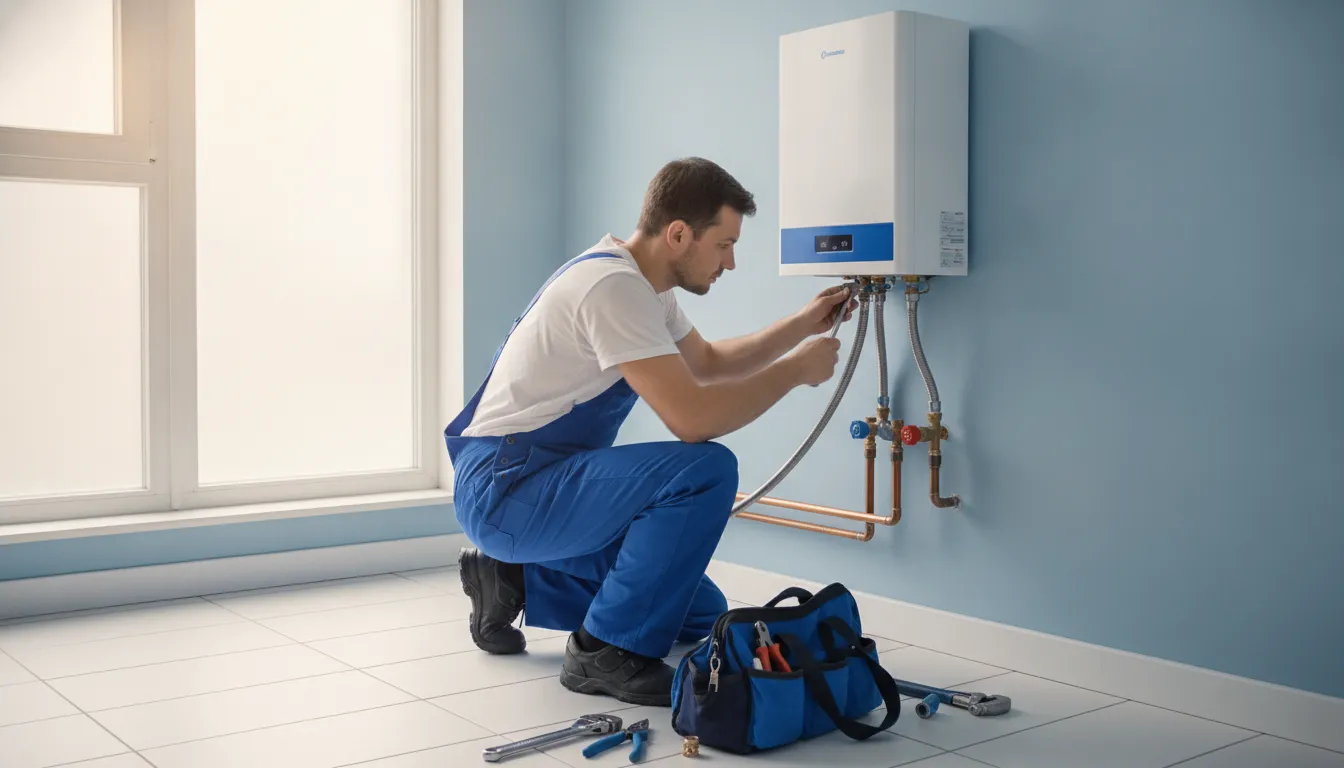
One important planning detail is the relationship between the appliance's input and the piping that supplies it. A line that looks physically adequate may not deliver enough gas under demand. The plan review process verifies pipe sizing against the appliance's BTU per hour input and the length of the run, as described in the residential gas piping guidance. A licensed plumber can account for those requirements before cutting into an existing system.
- Assess the appliance load and plan pipe sizing. The installer identifies the appliance, confirms its BTU rating, measures the proposed route, and reviews the capacity of the existing gas system. This determines the appropriate pipe size and helps reveal whether other appliances could be affected when the new load is added. The plan should also identify shut-off locations, access points, and whether any portion of the line will be underground or concealed.
- Obtain permits and schedule the inspection. Gas work commonly requires a permit, especially when a gas-powered water heater or furnace is installed, replaced, or relocated. The permit process creates a record of the work and establishes when the authority having jurisdiction will inspect it. Requirements vary by location, so the installer should confirm them before work begins rather than assuming an appliance swap is exempt.
- Shut off the gas and prepare the work area. The gas supply is shut off using the appropriate controls, and the work area is ventilated and protected. Existing connections are checked before removal. If the route requires digging, utility locations must be identified and marked first to reduce the risk of striking an underground line. Gas lines are commonly marked in yellow, using paint, flags, or stakes. The CDC and NIOSH utility-safety guidance emphasizes confirming that underground utilities have been properly marked before digging.
- Install the new run with approved materials. The plumber routes the new piping according to the approved plan, using code-compliant material appropriate for the location. Black steel pipe and CSST are common options, but the permitted system and installation method control what is suitable. Penetrations are protected, supports are installed where required, and concealed piping is routed so it can be inspected and maintained safely.
- Make the appliance connection with correctly rated fittings. Connections are assembled with fittings approved for gas service. A new flexible connector, when permitted for that appliance and location, should be rated for the appliance's BTU demand rather than reused from an older installation. The connector should not pass through walls, floors, or ceilings, and the appliance should have an accessible shut-off valve positioned as required by local code.
- Pressure-test the entire system. Before the final inspection, the completed gas piping is tested for leaks. One referenced residential code handout specifies a 10 psi air test on the entire system using a 15 psi gauge. This test is not a quick check at one fitting. It evaluates the connected piping as a system and gives the installer an opportunity to correct a leak before the line is placed back in service.
- Complete the final inspection and restore service. The inspector reviews the permitted work, materials, routing, connections, and test results. After approval, gas service can be restored according to the utility and installer procedures. The appliance is then checked for proper operation, and the homeowner should receive instructions for the shut-off valve and any required maintenance.
Gas piping is not a good do-it-yourself project. If you smell gas, leave the area and contact the appropriate emergency or utility service. For planned work, a licensed professional can coordinate the installation, testing, and inspection so the finished connection is safe, functional, and ready for everyday use.
Get started on your gas line installation and talk with a licensed plumber at Wish Granted Plumbing about your home before you commit to any work.
Frequently Asked Questions
How much does it cost to install a gas line?
The price depends on the pipe length, access, trenching or wall repair, appliance type, required permits, and whether the existing system can support the added BTU demand. A professional should inspect the route and calculate the scope before giving a project-specific estimate. Treat online averages as rough market guidance, not a quote for an Orange County home.
Do I need a permit to install a gas line?
In most cases, yes. Local requirements apply to new, replaced, or relocated gas piping, and gas-powered appliance work such as water heater or furnace replacements generally requires a permit. The permit holder is responsible for code-compliant work, with requirements often based on the International Residential Code. See the residential gas code guidance.
How long does a gas line installation take?
A straightforward indoor connection may take less time than a project that requires new branches, crawlspace access, concrete cutting, trenching, inspection scheduling, or correction of undersized piping. The installer should confirm the timeline after reviewing the appliance location, pipe route, permits, and inspection requirements.
Can you install a gas line yourself?
Gas piping is not a good do-it-yourself project. Incorrect sizing, connections, or testing can create a leak, fire, or carbon monoxide risk. A licensed professional can size the pipe, install approved components, arrange required inspections, and pressure-test the system before it is placed into service. If you smell gas, leave the property and contact the gas utility or emergency services.
What safety test is required after the work?
The completed gas piping system must be pressure-tested for leaks before final inspection. One residential code handout specifies a 10 psi air test using a 15 psi gauge. The exact local procedure can vary, so your installer should follow the applicable Orange County jurisdiction and document the result. NIOSH safety guidance also recommends confirming utility locations before digging.
Ready to Plan Your Gas Line Installation?
A clear plan can help you understand the work, safety considerations, and next steps before installation begins. Book a consultation with Wish Granted Plumbing to discuss your home's gas line needs in Orange County. Call Wish Granted Plumbing at (949) 877-7444 to get started with a straightforward conversation about your project.