


A slow sink or backed-up shower can be more than a daily annoyance. If you need drain cleaning in Anaheim, the right first step depends on where the water is backing up, how often the problem returns, and whether other fixtures are affected. A safe response can protect your home while a plumber identifies the blockage instead of masking it for a few days.
Request drain cleaning in Anaheim or call (949) 877-7444.
What causes clogged drains in Anaheim homes?
Drain clogs usually form when hair, soap residue, grease, food scraps, mineral buildup, or a foreign object restricts the pipe. In Anaheim, a single slow fixture often points to a local blockage, while several affected fixtures, repeated backups, or sewage odors can signal a deeper drain or sewer-line problem that needs professional diagnosis.
- Hair and soap residue: Bathroom sinks, tubs, and showers collect material that can bind together inside the trap or branch line.
- Grease and food waste: Fats and food particles can stick to kitchen-pipe walls and catch additional debris. Hot water may move grease temporarily without removing the buildup.
- Mineral deposits: Scale can narrow the opening inside a pipe and make an otherwise ordinary blockage harder to clear.
- Foreign objects: Wipes, paper products, toys, and other items can lodge in a line, especially when they do not break down in water.
- Roots, cracks, or shifted joints: A recurring main-line backup can involve a damaged or obstructed sewer line rather than a clog at the fixture.
The pattern matters as much as the symptom. A bathroom sink that slows down by itself is different from a toilet that bubbles when the shower runs. Note which fixtures are affected, whether the issue follows heavy water use, and whether the drain improves only briefly after plunging.
Which signs mean you should schedule drain cleaning?
Wish Granted Plumbing recommends scheduling an evaluation when an Anaheim drain stays slow, develops an odor, backs up repeatedly, or improves only for a short time after a DIY attempt. Early service is especially sensible when a clog affects a kitchen, bathroom, floor drain, or other fixture used every day.
| What you notice | What it may suggest | Best next step |
|---|---|---|
| One sink drains slowly | Localized buildup near the fixture or trap | Try one safe first step, then schedule service if flow remains poor |
| Several fixtures slow down together | A branch line or main drain restriction | Stop adding water and call a plumber for diagnosis |
| Gurgling after a toilet flush | Air moving around a partial restriction | Arrange an inspection, especially if the symptom returns |
| Foul odor or sewage backup | Wastewater is not moving normally | Keep people and pets away from contaminated water and request prompt help |
| The clog returns after clearing | Underlying buildup, roots, damage, or an object | Ask whether a camera inspection is appropriate |
Do not wait for a complete backup to take a recurring symptom seriously. A professional can match the clearing method to the fixture, blockage, and pipe condition, which is more reliable than repeating the same temporary fix.
What can you safely do before a plumber arrives?
Safe first steps for an Anaheim homeowner are simple: stop adding water, remove visible debris at the opening, use the correct plunger for a minor fixture clog, and record what happened. Do not mix products or keep escalating DIY methods when water is backing up or multiple fixtures are involved.
1. Stop running water
Turn off the affected fixture and pause dishwashers, washing machines, showers, and other water use if the backup appears to involve more than one drain. This reduces the chance of pushing more water into a restricted line or overflowing a low fixture.
2. Check only what is easy to reach
Remove the drain stopper or strainer if it lifts out normally, then clear visible hair and debris with gloves. Do not reach into standing wastewater, force a stuck fitting, or dismantle a connection if you are not comfortable restoring it without a leak.
3. Use a properly sized plunger for a minor clog
Choose a flat cup plunger for a sink or tub and a flange plunger for a toilet. Add enough water to cover the cup, seal nearby openings when appropriate, and use controlled push-pull strokes. Stop if water rises elsewhere, the fixture is damaged, or the clog does not respond after a reasonable attempt.
4. Do not pour in a chemical drain cleaner
Many chemical drain cleaners contain concentrated acids or alkalis that can cause serious burns and tissue damage if they are swallowed or splashed. Poison Control advises careful handling, protective gear, and keeping these products away from children. Read its drain-cleaner safety guidance for detailed precautions. If you already used a chemical product, tell the plumber before work begins and do not combine it with another cleaner.
5. Capture useful details
Write down when the problem started, which fixtures are affected, what you tried, and whether the water smells unusual. A short video of the symptom can also help if the drain changes before the appointment. These details help Wish Granted Plumbing choose a safe diagnostic path.
When does a drain clog need professional cleaning?
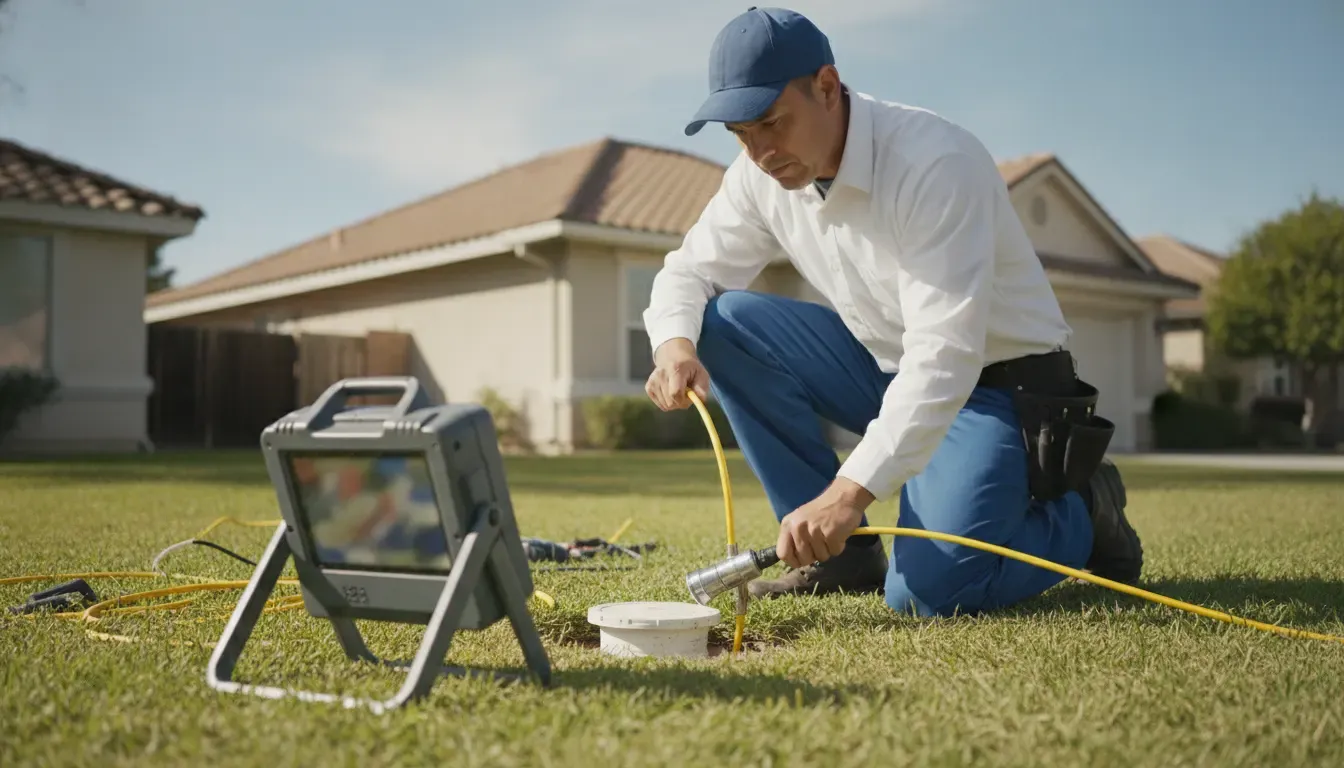
Professional drain cleaning is appropriate when a clog is deep, recurring, affects multiple fixtures, causes a backup, or cannot be cleared with a safe basic step. Wish Granted Plumbing can evaluate the symptom, identify the likely location, and choose equipment that fits the blockage and the condition of the pipe.
- The same drain clogs again soon after plunging.
- Water backs up into a tub, shower, floor drain, or another low fixture.
- Multiple fixtures drain slowly at the same time.
- A toilet bubbles when a sink, shower, or washing machine runs.
- You notice sewage odors, contaminated water, or a sudden loss of normal drainage.
- A previous clearing did not restore normal flow.
- You suspect roots, a damaged line, or an object is blocking the pipe.
These symptoms do not prove that a sewer line is damaged, but they do make repeated surface treatments a poor strategy. A plumber can inspect the accessible system and explain whether a targeted clearing, deeper drain service, or additional diagnostic work makes sense.
Should you request a sewer camera inspection for a recurring clog?
A sewer camera inspection can be useful when a blockage returns, affects the main drain, or has no clear surface cause. Wish Granted Plumbing uses live video equipment to look for buildup, roots, cracks, breaks, or misaligned sections, helping an Anaheim property owner make a repair decision based on what is inside the line.
Situations that justify asking about a camera
- A main-line clog returns after mechanical clearing.
- Several fixtures back up together.
- A property has a history of sewer problems.
- There are signs of root intrusion or a damaged pipe.
- You are planning a major repair and want to understand the line condition first.
- The location of the restriction is unclear.
A camera does not replace drain cleaning. It answers a different question: what is causing the restriction and where is it located? Depending on the findings, the next step may be conventional drain cleaning, hydro jetting, sewer repair, or monitoring. Hydro jetting can remove stubborn grease, residue, and some root-related buildup, but pipe condition should be assessed before high-pressure cleaning is selected.
For a deeper look at the equipment and diagnostic process, see Wish Granted Plumbing's sewer camera inspection guide and its sewer camera inspection service overview.
How does a professional drain cleaning visit work?
A professional visit starts with questions and a visual assessment, then moves to the least disruptive method that fits the evidence. Wish Granted Plumbing may inspect fixture behavior, clear a localized obstruction, use a camera for recurring or main-line symptoms, and discuss follow-up options with the Anaheim customer.
- Review the symptoms: The plumber asks which fixtures are affected, how long the problem has existed, and what has already been attempted.
- Check the likely access point: The team examines the fixture, trap, cleanout, or other accessible location without assuming the clog is at the drain opening.
- Select the clearing method: A hand tool, mechanical auger, or another method may fit a localized blockage. Heavier buildup or a different line condition may call for a separate approach.
- Inspect when the pattern calls for it: A camera can help locate a recurring restriction or reveal damage that clearing alone would not resolve.
- Test the result: The plumber runs an appropriate amount of water to confirm that flow improves and explains any recommended maintenance or repair.
The goal is not simply to make water disappear for one evening. It is to restore flow while giving the property owner enough information to decide whether the line needs additional work.
How can Anaheim homeowners reduce future drain problems?
Drain maintenance starts with keeping solids, grease, wipes, and other unsuitable materials out of the plumbing. Wish Granted Plumbing also recommends paying attention to slow flow and recurring odors instead of waiting for a complete backup, because early attention gives a plumber more options for finding the source.
- Use a hair catcher in showers and tubs, and clean it regularly.
- Scrape food and grease into the trash instead of rinsing them into a kitchen drain.
- Follow product labels and fixture instructions before disposing of anything through a drain.
- Never flush wipes, paper towels, hygiene products, or other non-flushable items.
- Do not treat a repeated clog as a routine event. Record the pattern and request an evaluation.
- Ask about hydro jetting service only after the pipe condition and blockage type have been considered.
- Use a qualified plumbing company for a recurring main-line issue or suspected sewer damage.
Wish Granted Plumbing's drain and sewer services overview explains how drain cleaning, hydro jetting, camera inspections, and sewer-line work fit together. The page is a service overview, so confirm the appointment details and service address when scheduling in Anaheim.
Get help with a recurring Anaheim drain problem or call (949) 877-7444 to contact Wish Granted Plumbing.
Frequently Asked Questions
How do I know if my Anaheim drain needs professional cleaning?
A drain needs professional attention when it stays slow, backs up, affects multiple fixtures, smells like sewage, or clogs again after a basic safe attempt. These patterns can point to a deeper restriction or damaged line, so repeating surface treatments may delay the right diagnosis.
Is it safe to use chemical drain cleaner before calling a plumber?
Chemical drain cleaners can contain corrosive ingredients and may cause serious injury if misused. Avoid mixing products, follow Poison Control's safety guidance, and tell the plumber if a chemical cleaner has already been added to the line.
When is a sewer camera inspection useful?
A sewer camera inspection is useful for recurring clogs, multiple affected fixtures, suspected roots, unclear blockage locations, or possible pipe damage. Live video helps show the condition and location of a restriction before a property owner chooses additional drain or sewer work.
What can I do for a slow sink before the plumber arrives?
Stop running water, remove visible debris from the strainer if it is easy to reach, and try a properly sized plunger for a minor clog. Stop if water backs up elsewhere, the clog does not respond, or you suspect a deeper line problem.
Does drain cleaning prevent every future clog?
No drain cleaning method can prevent every future clog. Results last longer when the cause is addressed and unsuitable materials stay out of the pipe, but recurring symptoms may require a camera inspection or repair rather than another routine clearing.