


A drain that empties slowly is an early warning, not a minor inconvenience to ignore. A small buildup may be manageable. Repeated or sudden stoppages can point to a blockage deeper in the line. This guide explains common causes of clogged drains, safe first steps, and signs that you need professional diagnosis for clogged drain repair.
Need help now? Call Wish Granted Plumbing at 949-877-7444 for dependable drain service throughout Orange County.
Understanding how clogs form makes it easier to choose a safe response. It also helps you recognize when continued DIY attempts could damage a pipe or delay a sewer-line repair. Start with the everyday materials that most often collect inside household drains.
What Causes a Clogged Drain?
A clogged drain is commonly caused by grease and food residue in kitchen pipes, or by hair and soap scum in bathroom drains. Hard-water minerals can make debris stick to the pipe wall. Foreign objects can create a sudden blockage when they wedge inside a trap or narrow section of pipe.
Most household clogs begin with ordinary materials that enter plumbing gradually. The pattern often depends on the fixture, household habits, and the location of the restriction. A kitchen sink may slow down because of grease, while a shower drain may collect hair and soap residue.
Grease and food residue in kitchen pipes
Plumbing repair service can help when a kitchen drain repeatedly struggles with grease, oil, and fats. Liquid grease may appear harmless when it is hot, but it can cool inside the pipe and solidify. That buildup narrows the drain opening, then catches food particles as water passes through. Over time, a sink that once drained normally may become slow, develop standing water, or stop draining altogether. Scrape fats and oils into the trash or a container instead of relying on hot water to carry them through the system.
Hair, soap scum, and mineral buildup
Hair is especially common in bathroom sinks, showers, and tubs. Individual strands collect around the stopper or trap, where they combine with shampoo, conditioner, and other residue. The result is a stubborn mass that allows only a small amount of water through.
Soap scum creates a second problem. It can combine with hard-water minerals and adhere to the inside of the pipe. That sticky surface gives additional debris a place to cling. The passage becomes narrower little by little, so the first symptom may be a drain that is merely slower than usual.
Foreign objects and accidental blockages
Some clogs happen suddenly because an object falls into the drain. Toys, jewelry, bottle caps, excessive paper products, and other items can wedge inside a trap or narrow pipe section. A sudden, total stoppage at one fixture often points to an object rather than gradual buildup. If a valuable or hard object is lost down a drain, call a professional before using tools that could push it deeper.
Can DIY Remedies Clear a Clogged Drain?
For a small, localized clog, a properly sealed plunger may restore normal drainage. A hand snake can help with some accessible blockages. Stop DIY work when the clog returns, affects several fixtures, causes sewage backup, or resists careful treatment.
For a small, localized clog, a few careful steps may restore normal drainage without a service call. Start with the least aggressive option and watch how the drain responds. A remedy that works briefly may have shifted the blockage rather than removed it.
Start with a properly sealed plunger
A plunger works by creating pressure and suction against an obstruction. Place enough water in the fixture to cover the rubber cup. Center the cup over the drain opening and press down firmly to create a tight seal. Use controlled, repeated strokes. If the sink has an overflow opening, cover it with a damp cloth so pressure is directed toward the clog. This approach is most appropriate when one fixture is affected and water is not backing up with sewage.
Try a mild remedy only for minor buildup
Baking soda followed by vinegar may help loosen light residue. It is not a reliable solution for a large, hardened, or deep obstruction. The reaction cannot replace mechanical removal when grease, hair, or an object has formed a substantial blockage. Avoid mixing this remedy with any commercial cleaner. If the drain remains slow after one careful attempt, repeating the mixture is unlikely to solve the underlying problem.
Use a hand snake cautiously
A hand-operated drain snake can reach farther than a plunger. Feed it gradually, turn it gently, and stop if you meet unusual resistance. Forcing an auger can scratch or pierce pipe walls, especially when a line is weakened. Pull the cable back slowly, clean it, and test the drain instead of repeatedly driving it deeper. If the tool cannot reach the obstruction or the clog returns quickly, the problem may be beyond the fixture trap.
Why chemical cleaners are a poor next step
Harsh chemical drain cleaners can create a safety concern for anyone working around the drain. Repeated use can also damage some plumbing materials. Never combine different cleaners. Do not use a mechanical tool after pouring chemicals into a drain unless the product instructions and appropriate safety precautions specifically allow it. When a clog does not respond to careful DIY work, professional drain cleaning service is a safer way to identify the blockage.
DIY has reached its limit when the clog does not clear, returns soon after treatment, affects multiple fixtures, causes gurgling, or produces sewage odors or backflow. Continued plunging or chemical use can worsen damage and delay diagnosis. Professional clogged drain repair can determine whether the issue is at the fixture, in a branch line, or deeper in the sewer system.
When Does Clogged Drain Repair Point to a Sewer-Line Problem?
Clogged drain repair may involve the main sewer line when several fixtures clog at once, water backs up, toilets gurgle, or the same blockage keeps returning. A camera inspection can locate roots, cracks, a low section, a collapse, or heavy debris before the right repair is selected.
A clog in one sink or shower is often localized. The situation deserves more attention when drainage problems appear across the home or return soon after a temporary fix. When a toilet, shower, and kitchen sink are affected together, the restriction may be in the main sewer line rather than in one branch drain.
Listen for gurgling and watch for recurring backups
Gurgling can occur when water moves through a partially blocked line and trapped air struggles to escape. Bubbling or gurgling in a toilet, sink, or tub deserves attention when it repeats. A single unusual sound does not identify the exact cause, but repeated gurgling paired with slow drainage or backup should not be ignored.
Recurring backups also point beyond an ordinary surface clog. If a drain clears and then backs up again days or weeks later, the obstruction may still be present farther down the line. Foul sewage odors or wastewater near several fixtures increase the urgency. Limit water use and arrange an assessment instead of repeatedly applying drain cleaner.
Tree roots, low spots, and damaged pipes
Tree roots can enter through small cracks and follow moisture in the surrounding soil. As roots grow, they can obstruct the pipe and cause recurring backups. Root-related problems usually require more than clearing the immediate symptoms because the damaged section remains vulnerable.
Ground movement can also misalign a sewer pipe and create a low spot, sometimes called a belly. Debris may settle in that dip and make the line prone to repeated blockages. A plumber may need to access the line through a cleanout and use a camera inspection. This can show whether the cause is roots, a low spot, a collapsed section, or accumulated debris.
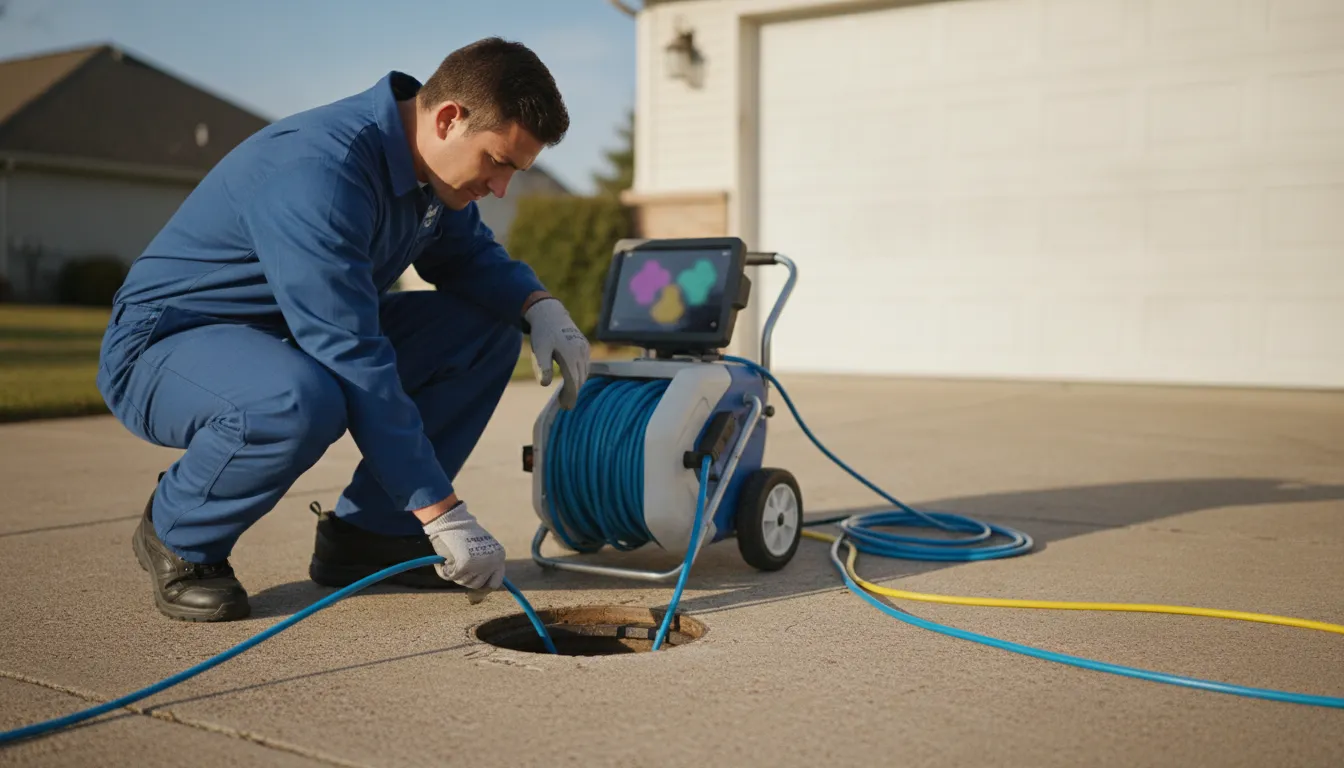
When these signs appear, avoid treating each backup as an isolated event. A professional assessment can distinguish a branch-line clog from a main sewer problem. For ongoing drain and sewer service, camera-based diagnosis helps address the cause instead of repeatedly chasing the symptom.
What Professional Clogged Drain Repair Includes
Professional clogged drain repair may use a mechanical auger, hydro-jetting, pipe descaling, or a camera inspection. The method depends on the blockage, its location, and the condition of the pipe.
Professional drain work starts with identifying what is blocking the pipe and where the restriction is located. A sewer camera inspection can provide a clear view when the problem may extend beyond one fixture. A technician may begin with the home's cleanout, an access point that allows inspection and cleaning equipment to reach the main line. This can reduce the need to dismantle sinks, toilets, or other fixtures.
A mechanical auger uses a rotating cable to break through or retrieve a blockage. Hydro-jetting uses high-pressure water to scour buildup from the pipe walls and move stubborn debris through the line. Both methods should be matched to the pipe's condition. An experienced plumber can avoid applying equipment that could damage a weakened line.
When mineral deposits have narrowed a pipe, professional descaling may be appropriate. A camera inspection can then help confirm whether the passage is open and whether cracks, misalignment, roots, or other structural problems require repair rather than repeated cleaning. See this overview of plumbing tools and drain-clearing techniques for more context.
| Method | Use | Timing |
|---|---|---|
| Plunger | Stoppage | First |
For local help, visit our drain page.
The technician can also confirm that the line is functioning before finishing the work.
How Can You Prevent Future Clogs?
Prevent future clogs by screening drains, keeping grease and non-flushable items out of plumbing, cleaning strainers, flushing kitchen lines with hot water as maintenance, and addressing slow drainage early.
Once a clog is cleared, consistent habits can keep water moving and reduce disruptive backups. A plumbing maintenance visit can also help identify recurring drainage concerns before they become an emergency. Prevention is useful in kitchens and bathrooms, where hair, food residue, soap, and grease can accumulate gradually. Add these steps to your routine and watch for changes in drainage speed.
- Install screens over frequently used drains. Place a screen or strainer in bathroom sinks, showers, tubs, and kitchen sinks. Empty collected hair and debris into the trash. Clean the screen so soap residue does not restrict water flow.
- Keep grease and oily food waste out of the sink. Let grease cool, then place it in a container or follow local disposal guidance. Wipe greasy cookware before washing it to reduce residue entering the plumbing.
- Use hot water as maintenance, not a cure. After washing dishes, run hot water through the kitchen drain. This may help limit light grease buildup, but it will not remove an established blockage.
- Keep wipes and other waste out of toilets. Flush only human waste and toilet paper. Keep wipes, cotton swabs, and other non-flushable items out of the system, even when packaging uses the word flushable.
- Clean stoppers and strainers regularly. Remove hair and residue before it enters the trap. Rinse the parts in a container instead of sending the debris into another drain.
- Watch for slow drainage. Address a drain while the clog is minor. Early attention can prevent a nuisance from becoming a full backup.
- Keep food scraps out of the disposal. Use a sink strainer and follow the disposal manufacturer's care instructions. Do not assume the disposal can handle fibrous or greasy waste.
- Record recurring problem locations. Note which fixture slows, how often it happens, and whether other fixtures respond at the same time. This information helps a plumber diagnose a deeper pattern.
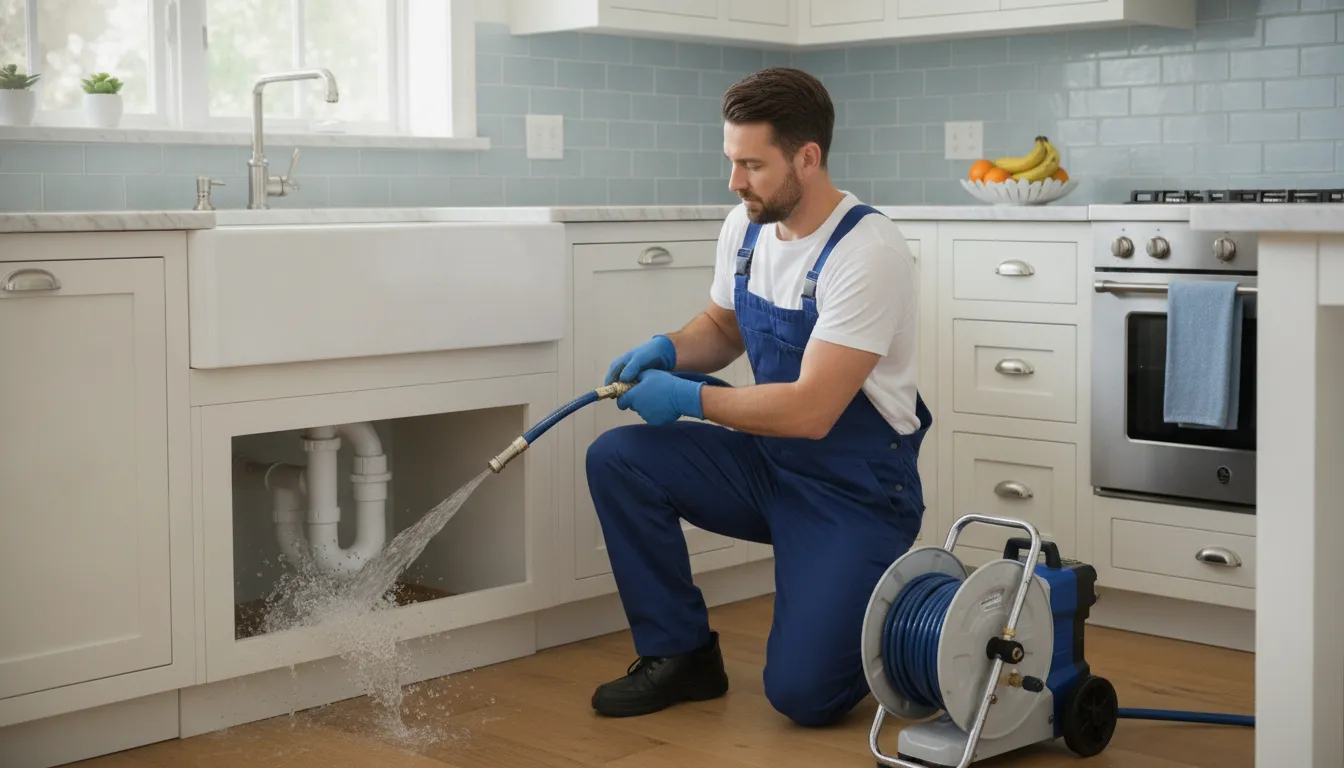
Do not wait for a recurring clog to become a full backup. Call Wish Granted Plumbing at 949-877-7444 to schedule clogged drain repair in Orange County.
Frequently Asked Questions
How do you unclog a severely clogged drain?
Stop water use at the affected fixture and try a plunger with a tight seal. Mild home remedies may help with light debris, but they are not dependable for large or deep blockages. Avoid repeated chemical treatments. If the blockage remains, a plumber can identify its location and use an auger, hydro-jetting, or another method suited to the pipe.
When should I call a professional instead of trying a DIY fix?
Call a professional when the clog does not clear with reasonable DIY steps, returns quickly, affects multiple fixtures, or is accompanied by foul odors, gurgling, or sewage backflow. A professional can determine whether you need localized clogged drain repair or a deeper inspection.
Why does my whole house have slow drains?
When several fixtures drain slowly or clog at the same time, the issue may be in the main sewer line rather than one sink or shower. A camera inspection can help locate roots, pipe damage, or a low section where debris settles. Limit water use until the cause is identified.
Does pouring boiling water down a drain help unclog it?
Hot water can help reduce light grease buildup in kitchen pipes as part of routine maintenance. It is not a dependable solution for hair, foreign objects, hardened deposits, or a sewer-line obstruction. Seek professional assessment when drainage problems persist.